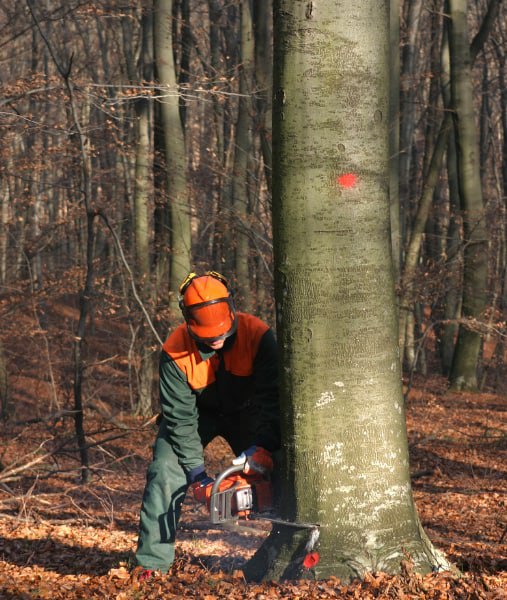
Hedges are a defining feature of many properties in Tunbridge Wells, Kent. They provide privacy, structure and a natural boundary, but without regular maintenance they can quickly become overgrown and difficult to manage. Knowing when a hedge needs cutting helps preserve both its appearance and long-term health.
At T Wells Tree Surgeons, we regularly maintain hedges across Tunbridge Wells and advise homeowners on the right timing and techniques to keep them in excellent condition.
1. Loss of Shape and Definition
One of the most obvious signs that a hedge needs cutting is when it begins to lose its neat, defined shape. Clean lines gradually become uneven as new growth extends outward.
If the hedge appears untidy or irregular, trimming will restore structure and encourage balanced regrowth.
2. Encroaching Onto Paths or Driveways
Hedges that start to overhang pavements, driveways or neighbouring boundaries are clear indicators that cutting is overdue. This can:
- Reduce access space
- Obstruct visibility
- Create inconvenience for pedestrians
In Tunbridge Wells, where many properties feature formal front boundaries, maintaining clear edges helps preserve both safety and kerb appeal.
3. Thinning at the Base
When hedges are not trimmed consistently, they often become top-heavy. This prevents light from reaching the lower sections, leading to thinning at the base.
Regular cutting helps promote even growth from top to bottom, maintaining a dense and structurally strong hedge.
4. Excessive Height
If a hedge has grown beyond its intended height, it may:
- Block natural light
- Reduce visibility
- Place strain on the root system
Height control through careful trimming keeps the hedge proportionate to the garden and ensures structural stability.
5. Visible Dead or Diseased Sections
Dead patches, discoloured leaves or brittle branches may indicate stress or poor airflow within the hedge.
Trimming allows for:
- Removal of unhealthy sections
- Improved air circulation
- Encouragement of healthy regrowth
Early intervention helps prevent minor issues from spreading.
6. Increased Wind Movement
Overgrown hedges can catch more wind due to their uneven structure. This increases pressure on the main stems and roots.
Controlled cutting reduces excess surface area and helps maintain balance, particularly in exposed areas of Tunbridge Wells, Kent.
Why Professional Hedge Cutting Matters
While it may seem straightforward, hedge cutting requires knowledge of species, growth cycles and correct trimming methods.
Improper cutting can result in:
- Uneven regrowth
- Structural weakness
- Long-term thinning
At T Wells Tree Surgeons, we assess each hedge individually and apply the appropriate cutting technique to ensure long-term health and structure for properties in Tunbridge Wells.
Conclusion
The key signs a hedge needs cutting include loss of shape, overhanging growth, thinning at the base, excessive height and visible dead sections. Addressing these indicators early helps maintain both appearance and structural integrity.
For homeowners in Tunbridge Wells, Kent, regular professional hedge maintenance ensures boundaries remain neat, healthy and stable throughout the year. If your hedge is showing any of these signs, T Wells Tree Surgeons can provide expert cutting and ongoing care tailored to your property.
Call us on: 01892 352 898
Click here to find out more about T Wells Tree Surgeons
Click here to complete our contact form and see how we can help with your tree needs.