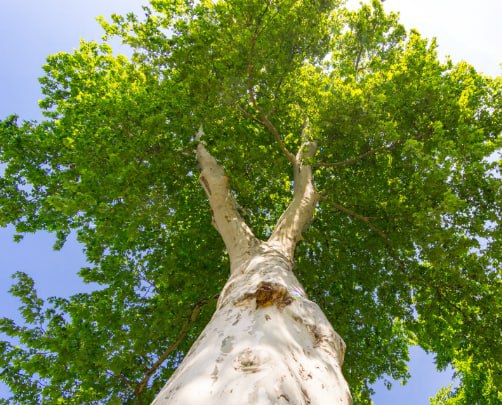
Discovering a crack in the trunk of a tree can be concerning, particularly when the tree is large or positioned close to a house, driveway or frequently used part of the garden. Some cracks are associated with natural growth or older wounds, while others can indicate structural weakness that deserves professional attention.
Because the trunk supports the entire crown, changes to its condition should not simply be judged by appearance. The depth and position of the crack, the surrounding wood, the structure of the canopy and the overall health of the tree all need to be considered.
For property owners in Tunbridge Wells, Kent, T Wells Tree Surgeons can assess cracked trees and determine whether monitoring, pruning or more extensive tree surgery is appropriate.
Why Do Tree Trunks Develop Cracks?
There is no single cause of trunk cracking. Trees experience considerable mechanical and environmental stresses throughout their lives, and damage can develop for several reasons.
Strong Winds and Structural Stress
A large tree canopy can generate significant forces as it moves in windy conditions. Branches and stems flex naturally, but weaknesses within the trunk or major unions can sometimes develop into visible cracks.
A crack that appears or noticeably changes following strong winds deserves particular attention.
Previous Branch Failure
When a substantial branch breaks away, it can leave a large wound. The tree may gradually grow around the damaged area, but the original injury can sometimes create a point of weakness.
Included Bark and Weak Unions
Trees with two or more major stems growing closely together can sometimes develop bark trapped between them rather than forming a strong wood-to-wood connection.
These unions can be structurally weaker, particularly as the stems increase in size and weight.
Decay Within the Trunk
A crack may occasionally provide an external indication of deterioration occurring deeper within the tree.
Decay can reduce the amount of sound structural wood available to support the canopy. This is why the visible width of a crack alone cannot reliably determine how serious the problem is.
Natural Growth and Previous Damage
Not every mark or split indicates immediate instability. Trees can respond to old wounds by producing new growth around the affected area.
A professional assessment can help distinguish an established feature from an active structural problem.
When Is a Crack More Concerning?
The presence of a crack should be considered alongside other changes in the tree.
A Crack That Is Getting Larger
If a crack appears to be widening or extending, movement may be occurring within the trunk.
Changes over time can be particularly useful when evaluating structural concerns.
Cracking Around a Major Fork
Cracks where two substantial stems divide deserve careful assessment because these areas can carry considerable weight.
If the union is already structurally weak, movement between the stems may increase the possibility of failure.
A Crack Accompanied by Decay
Look for other signs around the affected area, including:
- Soft or deteriorating wood
- Cavities
- Loose bark
- Fungal growth
- Previous wounds
- Dead sections of canopy
The combination of cracking and deterioration may be more significant than either feature considered independently.
Cracks Following Severe Weather
If a new split appears after strong winds or a large branch has recently failed, professional inspection is sensible.
Damage may extend further into the tree than can be seen from ground level.
Why the Tree’s Location Changes the Level of Concern
Tree condition cannot be assessed without considering what surrounds it.
A structurally compromised tree in an isolated part of a large open space presents a different situation from one positioned immediately beside a property.
A cracked tree deserves particularly prompt attention when it could potentially affect:
- The house
- Garden structures
- Driveways
- Parked vehicles
- Paths
- Frequently used outdoor areas
Professional tree assessment considers both the likelihood of branch or stem failure and what could be affected if it occurred.
Can a Cracked Tree Be Saved?
A crack does not automatically mean that the tree needs to be felled.
The appropriate response depends on the severity of the defect, the amount of sound wood remaining, the structure of the tree and its overall condition.
Monitoring May Sometimes Be Appropriate
Where a defect is considered stable and the wider tree remains structurally satisfactory, periodic monitoring may be recommended.
This allows changes in the crack or surrounding tree structure to be identified.
Pruning Can Reduce Canopy Loading
In some situations, carefully planned pruning may reduce the mechanical loading placed on a vulnerable section.
Selective pruning or crown reduction can decrease the size or leverage of particular branches while maintaining an appropriate overall canopy.
This type of work requires careful judgement. Removing the wrong branches or excessively reducing the crown can create additional problems rather than improving the tree’s structure.
Removal May Be Necessary for Severely Compromised Trees
Where a crack forms part of significant structural deterioration and the tree cannot reasonably be managed through pruning or monitoring, removal may become the appropriate option.
This decision should follow a proper assessment rather than being based on the presence of a crack alone.
Why You Should Avoid Investigating the Crack Yourself
It may be tempting to probe a crack, remove surrounding bark or attempt to determine how deep it extends.
Doing so can cause unnecessary damage and is unlikely to provide a reliable assessment of the tree’s structural condition.
Likewise, climbing into the canopy to inspect the tree can be particularly hazardous if structural weakness is already suspected.
An experienced tree surgeon can examine the relevant features while considering how the complete tree is responding.
What Will a Tree Surgeon Look For?
A professional assessment considers considerably more than the visible crack.
The Trunk
The tree surgeon will examine the position, orientation and extent of the defect and look for evidence of movement or deterioration.
Major Branch Unions
Forks and branch attachments can reveal whether structural stresses are concentrated in particular areas.
The Canopy
The condition and distribution of branches can provide important information.
An unusually heavy or unbalanced canopy may place additional forces on a compromised trunk.
The Root Area
The stability of a tree depends on its entire structure, including its roots. Changes around the base of the tree can sometimes provide additional clues about its condition.
Signs of Declining Health
Dead branches, reduced foliage, unusual growth and visible decay can all contribute to the overall assessment.
Why Cutting Off Large Branches Is Not Automatically the Solution
When a tree appears structurally compromised, aggressively reducing its canopy may seem like an obvious precaution.
However, tree pruning needs to be proportionate.
Removing large quantities of foliage can place the tree under unnecessary stress and may encourage vigorous regrowth. Large pruning wounds can also create additional areas requiring the tree to respond and recover.
The objective is therefore not simply to make the tree smaller, but to determine what work genuinely improves its condition and manageability.
Do Not Ignore Sudden Changes
Trees can naturally contain old wounds, cavities and other features for many years. What deserves particular attention is change.
Consider contacting a tree surgeon if you notice:
- A new trunk crack
- An existing crack becoming wider
- Movement between major stems
- Freshly exposed wood
- New splits following windy weather
- Large branches suddenly changing position
- Cracking accompanied by deadwood
- Significant decay around the affected area
These observations can provide valuable information when the tree is professionally assessed.
The Value of Early Professional Assessment
Waiting until a branch or stem fails removes the opportunity to manage the problem proactively.
Earlier assessment can establish whether the defect is relatively minor, requires monitoring or needs active tree surgery.
It may also allow work to be more targeted. If a particular branch is placing excessive loading on a vulnerable union, for example, selective management may be more appropriate than waiting for deterioration to progress.
Tree Assessment in Tunbridge Wells
Trees are living structures, which means their condition changes as they grow and respond to their surroundings. A crack that has remained stable for years may require a different approach from a newly developing split associated with structural movement.
At T Wells Tree Surgeons, we assess trees throughout Tunbridge Wells, Kent with consideration for their health, structure, surroundings and long-term management.
Our aim is to determine what the tree actually requires rather than assuming that every visible defect demands extensive work.
Conclusion
Yes, calling a tree surgeon is sensible when you discover a significant or unexplained crack in a tree trunk, particularly if the crack is new, changing or located around an important structural union.
A cracked trunk does not automatically mean that a tree needs removing. Depending on its condition, appropriate management might involve monitoring, selective pruning, crown reduction or, where structural deterioration is severe, more extensive tree surgery.
The important step is obtaining a professional assessment before the condition progresses or attempting to deal with the problem yourself.
If you have noticed cracking in a tree at your property in Tunbridge Wells, Kent, T Wells Tree Surgeons can assess the tree and recommend an appropriate course of action focused on its condition, structure and surrounding environment.
Call us on: 01892 352 898
Click here to find out more about T Wells Tree Surgeons
Click here to complete our contact form and see how we can help with your tree needs.